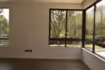
What Makes a Home Feel Like Home? Two Architects Thoughts
Ever thought what makes a home feel like a home? That is the question people ignore when touring houses.
So, we sat down with two architects who have shaped some of Nairobi’s most considered residential spaces. This includes Loshon Residences in Kerarapon.
This read is for every renter, buyer, first-time homebuyer or investors in Kenya.
Arguably, both architects revealed that design and emotion is what makes a home feel like a home.
The Question Nobody Asks When Touring a Home
Most people touring a property in Nairobi ask the obvious questions.
- How many bedrooms?
- What is the rent?
- Is there parking?
These are valid, practical, necessary questions. But they miss the one question that determines whether you will still love a home five years after moving in.
That question is: how does this space make me feel?
It sounds intangible. But according to the two architects we interviewed for our April series — Inside the Developer’s Door — it is the most precise and answerable question in architecture. And great architects have been answering it, building by building, for their entire careers.
“The best homes make everyday life feel better without people even realising why.”
— Becky (Architect B) – U-Design Architects & Interior Designs
Architecture Sells the Dream Before a Single Piece of Furniture Arrives
One of the most striking things Calvin (Architect A) told us was about the moment before a home is furnished.
Most developers and agents assume that staging — furniture, art, décor — is what sells a space. But great architecture does not need staging. It sells itself.
“Architecture sets the tone from the very beginning,” he told us.
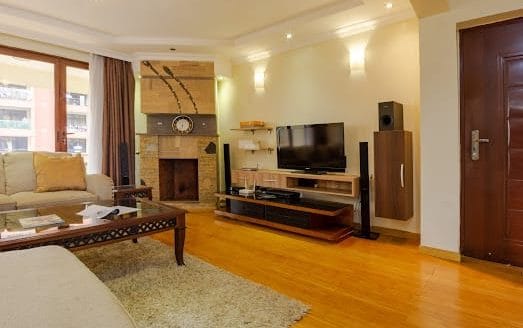
“Elements such as natural lighting, ceiling height, and proportions help a space feel welcoming even without furnishings.”
This is not abstract philosophy.

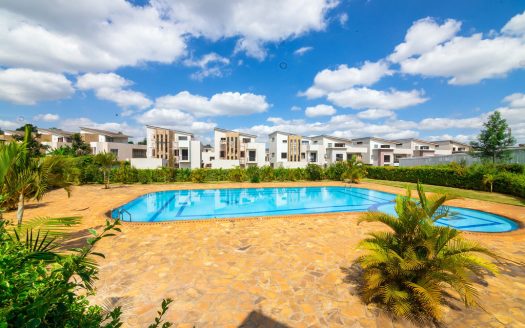
At Loshon Residences in Kerarapon, where he was part of the project team, the double-volume living space opens directly onto the terrace. Walk in empty-handed and you already understand what living there feels like. That is architecture doing its job.
Loshon Residences — Design Principles in Practice
- 3.3m floor-to-floor height creates a sense of space and freedom from the moment you enter
- Double-volume living area opens directly onto the terrace — indoor-outdoor flow by design
- Ground floor: living flows into dining into kitchen into yard — one seamless experience
- Large windows frame views toward the Ngong Hills — the landscape becomes part of the room
- All bedrooms en-suite on the first and second floor — privacy layered by elevation
How the Best Homes Encourage Families to Actually Be Together
Both architects, independently, came back to the same theme when we asked about family homes: connection.
The ability for family members to be in different parts of the home and still feel present with each other.
Our first architect described it as visual connectivity.
“Open kitchens, dining and living areas allow people to interact without being isolated. This allows someone in the kitchen to engage with those in the living room.”
At Loshon, this is built into the ground floor plan — not as an afterthought, but as the organising principle of the entire layout.
Our second architect approached the same idea from the emotional side.
She designs privacy in layers — moving from public spaces like living areas to private zones like bedrooms — so that the home feels like it has distinct emotional territories. You know when you are in family space. You know when you are in your own space. That clarity reduces friction in a household.
“When a home works well on a daily level and also feels beautiful, it becomes something people are emotionally attached to — not just a place they live in.”
— Architect B – U-Design Architects & Interior Designs
Balconies, Terraces, and the Lifestyle People Are Actually Buying
One of the most insightful moments in our conversation with our second architect came when we asked about outdoor spaces. Her answer reframed how we think about what buyers and renters are actually paying for.
“People are not just buying indoor space anymore,” she said.
“They are buying a lifestyle that feels open, balanced, and connected.”
A balcony is not a feature on a spec sheet.
- It is the place where someone drinks their morning coffee.
- It is where a family sits on a Sunday evening.
- It is the room that does not have walls but somehow feels like the most important one in the house.
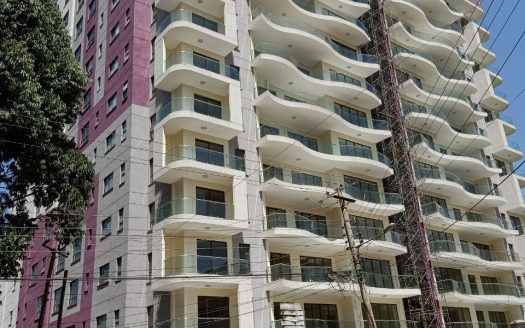
This is especially relevant in Nairobi, where the city’s elevation and climate make outdoor living genuinely pleasurable for most of the year.
Properties with well-designed outdoor spaces command premiums — not because of square footage, but because of how they expand the way people experience their home.
Safety That Feels Like Comfort, Not a Cage
When we asked about designing safe homes for families, our second architect’s answer was quietly profound.
Safety, she explained, is not primarily about locks, gates, and CCTV — though those matter. It is about:
- Material selection
- Spatial planning
- Layering of public and private zones within a home
“We think about durable, non-slip finishes, safe stair designs, and materials that are child-friendly and long-lasting.” (Calvin – Architect A – U-Design Architects & Interior Designs)
But more than that:
“We design privacy in layers, moving from public spaces like living areas to more private zones like bedrooms. This creates a sense of control, comfort, and security within the home.” (Architect B – U-Design Architects & Interior Designs)
The difference between a home that feels safe and one that merely has safety features is enormous. One makes you anxious. The other makes you exhale.
What Emotions Should a Home Evoke?
We asked our second architect the question that sits underneath all the others: what should a well-designed home actually make you feel?
Her answer: calm, comfortable, and secure. A sense of pride and belonging.
“When someone walks in and immediately feels at ease, that is when you know the design is working. The best homes make everyday life feel better without people even realising why.”
This is the standard Azizi Realtors holds every property in our portfolio to.
Not just square footage and finishes — but the feeling a space creates for the people who live in it.
See These Principles at Loshon Residences
Lavington, Nairobi.
Off-plan. Designed with everything you’ve just read built into every corner.
What Makes A Home Feel Like A Home If You Are Buying or Renting in Nairobi Right Now?
Understanding how great homes are designed changes how you evaluate properties. It shifts you from reacting to a space with “this feels nice” — to understanding why it feels the way it does, and whether that feeling will last.
Here is a practical checklist drawn directly from both architects’ answers:
What to look for when touring a home in Nairobi
- Ceiling height and natural light — does the space feel open before it is furnished?
- Flow — can you move from living to dining to kitchen without interruption?
- Visual connectivity — can someone in the kitchen see the living room?
- Privacy layers — do the bedrooms feel separated from the common areas?
- Outdoor connection — is there a balcony, terrace, or garden that extends your living space?
How does it feel when you stand still and do nothing? That is your answer.
The homes that score well on this list are the ones you will still love in five years. They are the ones your children will remember. They are the ones that hold their value both emotionally and financially — because they were designed with intention, not just built to spec.
That is what Inside the Developer’s Door is about. And it is what Azizi Realtors has been committed to finding for our clients across Nairobi since we began.